



Everything that is not regarding Burrito.ai specifically. Your playground to discuss what's on your mind.
Recently active
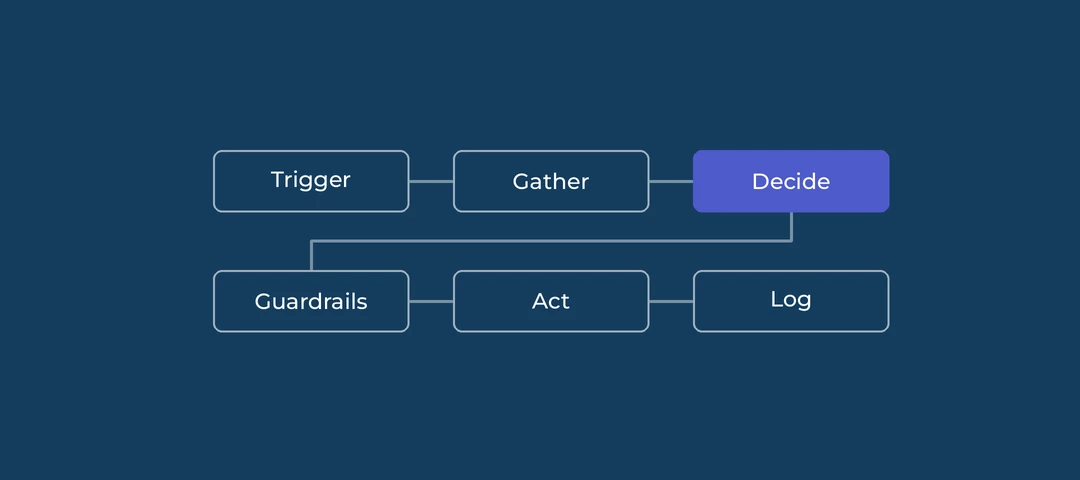
AI can take a lot of repetitive work off a community team. It can also post the wrong thing in public, under your name, at scale. Most of what follows is about getting the first without the second. 1. Pick the right first taskYour first automation should be boring. Look for a task that's narrow, repetitive, happens often, and is cheap to get wrong.Answer detection is a good example. The agent checks open questions, and if a reply already solves the problem, it marks the answer or asks the member to confirm. If it gets one wrong, a moderator can fix it in a few seconds.Bad first tasks are anything involving billing, security, account data or member complaints. Save those for later, or keep a person in the loop permanently. 2. The model recommends, code decidesThis is the most useful rule we have. The AI model never touches your community directly. It reads a thread, returns a recommendation in a fixed format, and a script checks that recommendation before anything happens.So rules that
We expected the top answer to be portion size, or maybe protein quality. Instead, the single most common thing people brought up, unprompted, was the ratio between filling and tortilla. Almost a third of the fifty people we talked to said a burrito that's mostly rice with a thin tortilla wrapper feels like a letdown, even if the ingredients themselves are good.Second most common answer: temperature consistency. People notice when the outside of a burrito is hot but the center is lukewarm, which usually means it sat too long between assembly and being handed over.A smaller but vocal group brought up something we hadn't expected at all: the fold holding up for the entire meal, not just the first bite. Several people specifically mentioned burritos that were perfect for the first two bites and then fell apart completely by the middle, which they described as more disappointing than a burrito that was mediocre throughout.Only four people out of fifty mentioned size as their top priority. T
None of these are the obvious pick in their neighborhood, which is exactly why they're on this list.La Ventanita, in a strip mall next to a laundromat, does a green chile pork burrito that's worth the twenty minute wait on a Saturday. Ask for it mojado and don't plan on driving anywhere for the next hour.Tres Hermanas doesn't have a sign out front, just a hand painted board that says Burritos and an arrow. Cash only, and the woman working the register has strong, correct opinions about how much hot sauce you actually need.El Rincón's breakfast burrito is only served until 11am and somehow still surprises the regulars who've been ordering it every Tuesday for years. The potatoes are the reason.Burritos Jalisco, twenty minutes outside downtown, is where three separate people told me to go before I'd even asked. That kind of unprompted recommendation from strangers means something.And Casa Elena, run out of what used to be someone's actual garage, only opens Thursday through Saturday. If
Every training video shows the same fold: tuck the sides, roll away from you, done. What they skip is the compression step, and it's the reason so many burritos fall apart by the second bite.Before you fold anything, you need to press the filling down into a tight, even log with the back of your hand or a spatula. Not flatten it, just settle it so there's no air pocket running down the middle. Air pockets are what make a burrito collapse the moment someone picks it up.Then, when you tuck the near side over the filling, pull it back toward yourself slightly before you roll forward. That backward pull is what tightens the whole thing like a drawstring. Skip it and you get a loose roll that looks fine on the line and falls apart in someone's car five minutes later.I've trained maybe thirty people over the years and the ones who struggle almost always skip the compression step because it feels like it's slowing them down. It adds maybe two seconds. Two seconds now saves you a complaint abo
When I opened three years ago I did what everyone told me to do. Flyers in the neighborhood, a radio spot on the local station, a banner outside. I spent close to four thousand dollars in the first six months and couldn't tell you which part of it brought anyone in the door.So last year I tried something more deliberate. Every new customer got asked one question at checkout: how'd you hear about us. Nothing fancy, just a tally on a clipboard by the register. After four months the answer was overwhelming: a local food account on Instagram that posts short videos of the fold and the first bite, and word of mouth from people who'd seen those videos.I moved my whole marketing budget behind that one channel. Paid the account owner a flat fee to feature us twice a month, and I started filming my own thirty second clips on a five year old phone. Foot traffic from new customers is up almost forty percent since March, and I'm spending less than half of what I used to.The lesson wasn't that soci
For three years we were open seven days a week, 11 to 9. My staff was burning out, and so was I. Turnover was brutal, almost one cook a month walking out the door.Last January I closed Sundays after 2pm. On paper that's fourteen hours of trading time gone. In practice, weekly revenue barely moved, because Sunday afternoons were already our slowest stretch, mostly people looking for something to do rather than actively craving a burrito.What changed was everything behind the counter. My kitchen manager finally had a real day off to plan the week instead of firefighting. Two of my longest-tenured cooks told me directly it's the reason they stayed instead of taking a job at the new taco spot down the street.A lot of owners treat every open hour as sacred, like closing early is leaving money on the table. Sometimes it's the opposite. Look at your slowest four hours of the week and ask what they're actually costing you in burnout before you assume they're worth keeping.
I used to run a menu with forty things on it. Six proteins, four rice options, three kinds of beans, a salsa bar with eight jars. It looked generous. It also meant every ticket took ninety seconds longer to build, and my new hires spent their first two weeks just memorizing where things went.Last spring I cut it down to twelve items. Three burritos, two bowls, a taco plate, and sides. Revenue didn't drop. It went up eleven percent over the next quarter, mostly because the line moved faster during the noon rush and we stopped running out of stray ingredients nobody ordered anyway.The instinct to add more feels like generosity. Customers usually read it as noise. When someone walks in hungry and sees a wall of options, they hesitate, and hesitation slows your whole line down behind them.If you're staring down a bloated menu right now, try this: pull your last three months of sales data and look at what's actually selling. I'd bet twenty percent of your items account for most of your reve
Already have an account? Login
No account yet? Create an account
Enter your E-mail address. We'll send you an e-mail with instructions to reset your password.